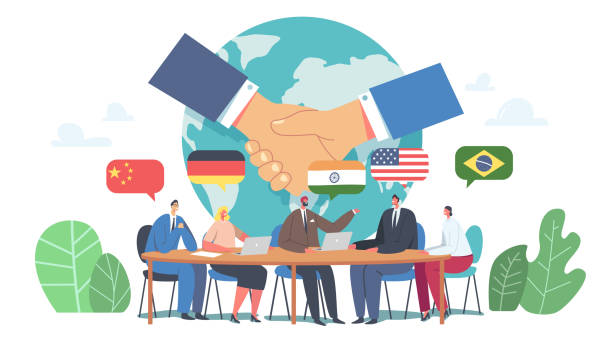
Disparities in the visa application process are evident when comparing the experiences of different individuals. For instance, my family, originating from a European nation, was able to secure their visas in under six months, while their dedicated domestic worker, Margarita, a woman of color from the Dominican Republic, faced a prolonged wait of three years. This example exemplifies the inherent difficulties faced by people of color in obtaining visas compared to individuals from developed countries. It saddens me that people like her, people who are crucial and build up the US economy, are treated as less. My parents and I were able to get our visas in under six months. It took Margarita, the Dominican woman, three years.
This is not a one-time situation. This has been happening since the start of the twenty first century. Now I ask: would the US economy be able to sustain itself without the help of the millions of Hispanic immigrants that have left their lives behind in their home countries in search of a better future? The answer is quite simple. No.
The contributions of immigrants, particularly those of Hispanic descent, to the US economy cannot be overstated. They fill essential roles in service industries, sell goods, work as cashiers, and perform various other crucial jobs that sustain society. Without their labor and dedication, the functioning of the American economy would be severely impacted. Yet, despite their undeniable importance, the process of obtaining visas and citizenship for Latin Americans remains disproportionately arduous.
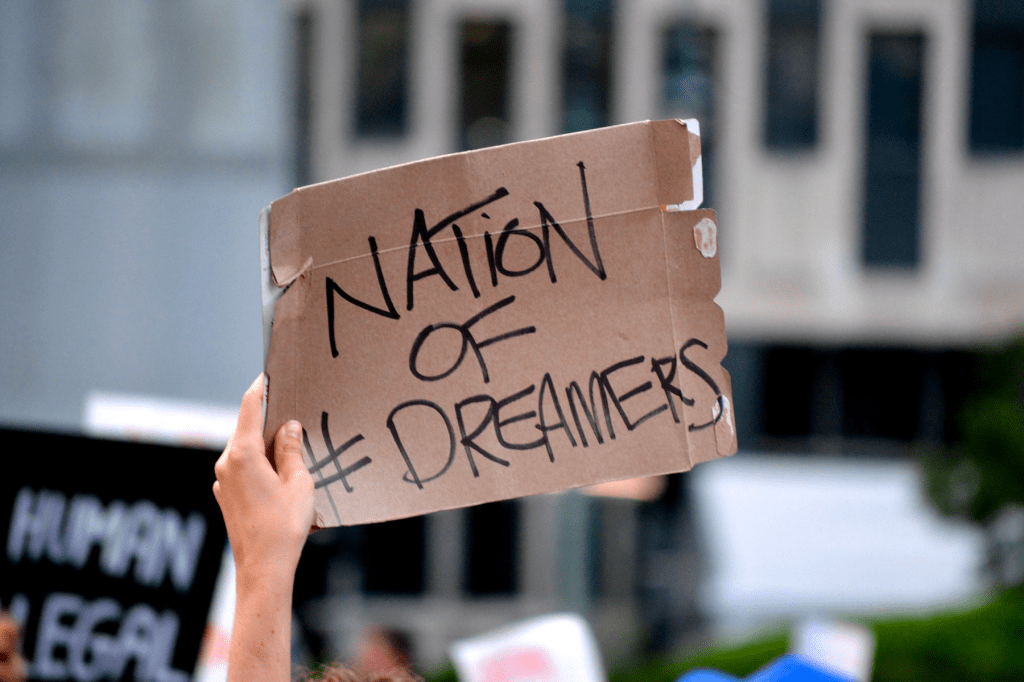
This stark disparity raises questions about the justification for such disproportionate treatment of Latin Americans, given their integral role in the US economy. It is essential to reevaluate the reasons behind this inequity and work towards a fairer and more inclusive immigration system.
Apparently, when immigrants were asked why they were denied visas or green cards, the reasons were centered on inadequate English skills, as the Pew Research Center states. Lack of English education is not a fault of their own but rather one of their country of origin, and it is our duty as Americans to do whatever is possible to ensure that they do get those opportunities.
Going back to Margarita, my second mother, who just three weeks ago settled into life at Princeton, was able to start English classes at the local public library. She already feels more comfortable and knows much more than she did just a month ago. However, opportunities like hers are not granted to many Latino immigrants. That needs to change. I see this woman thriving every day, being able to make the best out of what she is given, using these English classes as the key to unlocking the future that she wants to build for herself here.
If given the chance, I believe that many immigrants would be able to learn English. The issue at the moment is that the barriers for immigrants and their children learning English are very high. Princeton, being one of the most well funded districts in the whole country, does provide these immigrants with the best possible support, but just think of how many states do not.
The barriers faced by immigrants in the United States, particularly Latin Americans, are significant and hinder their ability to thrive and contribute fully to society. A fair and inclusive immigration system, coupled with enhanced language education opportunities, is essential for empowering immigrants and ensuring their successful integration into American life. By recognizing the invaluable contributions immigrants make to the US economy and addressing the barriers they encounter, we can work towards a more just and welcoming nation for all.
Citations
Srinivas, Siri. “US Green Cards Go to the Few: One-third of Latin Americans Rejected, 90% of Asians Accepted.” The Guardian, 13 Jan. 2015, http://www.theguardian.com/money/us-money-blog/2015/jan/13/latin-american-immigrants-green-card-discrimination.
Lopez, Valeria. “Barriers in the United States Education System for Immigrant Children – Latina Republic.” Latina Republic, 23 June 2021, latinarepublic.com/2021/06/23/barriers-in-the-united-states-education-system-for-immigrant-children.
Gonzalez-Barrera, Ana. “Mexican Lawful Immigrants Among the Least Likely to Become U.S. Citizens.” Pew Research Center’s Hispanic Trends Project, 29 June 2017, http://www.pewresearch.org/hispanic/2017/06/29/mexican-lawful-immigrants-among-least-likely-to-become-u-s-citizens.
 Languaging - Blog
Leave a comment