
This past week, spring break for Princeton high schoolers, I visited Miami for the very first time. I spent a total of 6 days in this wonderful city and, to my surprise mostly only spoke Spanish. I could very clearly see that Spanish was the first language in this part of the US. The service industry; restaurants, hotels, even at the beach, etc, was purely made up of Spanish speaking workers, mostly from Cuba.
There is one particular sector where Cubans absolutely dominate; Taxi’s and Ubers. Throughout the week, every taxi or Uber that we took was with a Cuban driver. The beauty about being able to talk in multiple languages with similar cultural foundations was that I was easily able to engage in conversation with them.
Time and time again, I heard the stories of these men (unfortunately, only men), how they escaped the corrupt communist system in Cuba. One of them, even explained how he escaped three days before the police went to get and shoot him. Absolutely brutal.
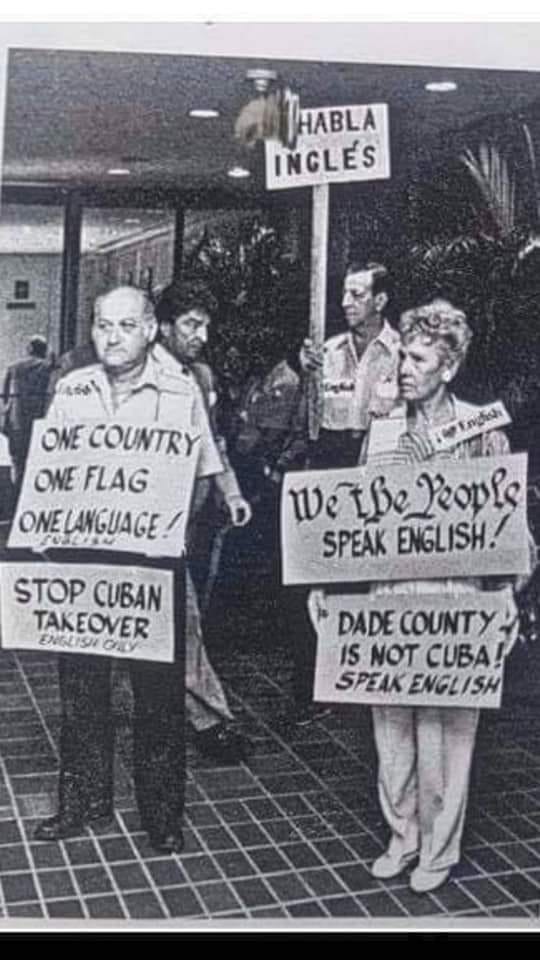
Anti-Cuban immigration 1960’s
The one thing they all had in common was the massive struggle they faced, once they did get into the US. How it was incredibly hard not only to become a documented, legal citizen in the US, but also to be able to bring their kids here. They told stories about how they had not been able to see their families that remained in Cuba, because they were seen as ‘traitors’ for escaping the regime. One particular driver explained how he had not met his daughter.
Miami has become “a major capital of the Latin American world” (Library of Congress). The city would be nothing without these people, which is why we must make it one of our top priorities to ensure that these people, who deserve equal and fair treatment get the opportunities and the chances that they deserve.
We must vouch and push to ensure that they have all of the information necessary to live a better life. We must ensure that they are happy; that their families can travel and see them. It is not only in our own interests but in theirs as well. Once again if we work as a global community that uplifts and helps each other, especially through language education and ensuring the policies and laws are translated based on their demographics, we can ensure that these people live less suffered lives.
For more information on Cuban immigration click here: https://www.loc.gov/classroom-materials/immigration/puerto-rican-cuban/transforming-a-city/
 Languaging - Blog
Leave a comment